Abstract Red Tree: A Modern Artistic Element for Creative Projects
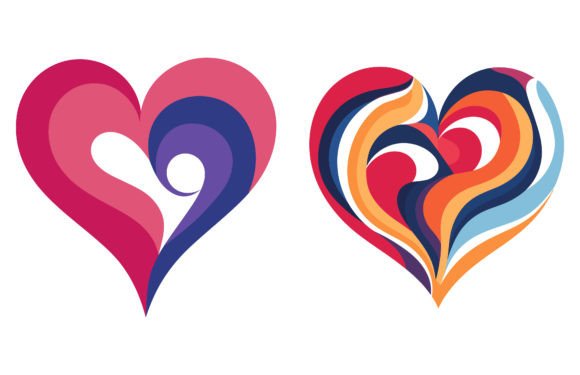
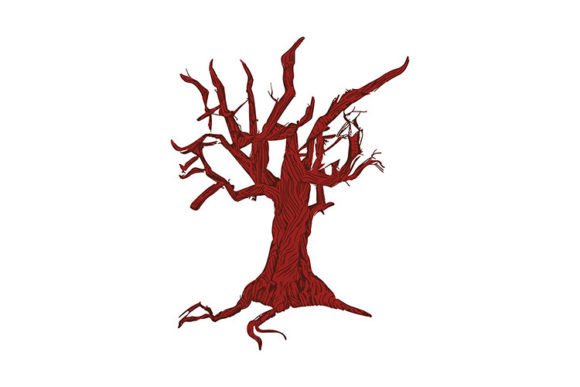
The Abstract Red Tree is a unique artistic concept that has gained popularity in contemporary design, particularly within the realms of digital art, illustration, and graphic design. This style represents trees not in their realistic form but through stylized, simplified shapes, often using bold colors like red to evoke emotion or highlight contrast. It's part of a broader category known as decorative abstract line art, where the focus is on form, color, and composition rather than photorealism.
What Makes an Abstract Red Tree Unique?
An Abstract Red Tree typically features minimal details, emphasizing the silhouette or outline of a tree. The use of red adds vibrancy and symbolism—often representing passion, energy, or vitality. These images can be found in various formats such as high-resolution JPGs and editable EPS vector files, which are ideal for both print and digital media. The zip file containing these assets provides flexibility for designers who want to adapt or enhance the visuals to suit different projects.
Compared to traditional botanical illustrations, the Abstract Red Tree offers a more interpretive and expressive approach. Instead of focusing on precise anatomy or seasonal accuracy, it uses color, shape, and line to create a visual impact. This makes it especially useful for backgrounds, branding elements, and thematic designs where realism isn't the goal.
Key Characteristics of Abstract Red Tree Art
- Color Emphasis: The dominant use of red distinguishes this style from others. It can symbolize warmth, love, danger, or creativity depending on context.
- Simplified Forms: Trees are reduced to basic geometric or flowing lines, making them instantly recognizable yet artistically reimagined.
- Vector Adaptability: With EPS files included, the Abstract Red Tree is easily scalable without losing quality, essential for logos, posters, and large-format prints.
- Emotional Resonance: The bold red tones and abstract nature invite interpretation, allowing the artwork to fit into a wide range of themes and moods.
Comparing Abstract Red Tree with Other Styles
When evaluating options for artistic tree imagery, it’s important to consider how the Abstract Red Tree fits into the broader spectrum of design styles. Here’s a practical comparison with some related categories:
Realistic Botanical Illustration
While realistic botanical illustrations aim to depict trees with scientific accuracy, including bark textures, leaf patterns, and seasonal changes, the Abstract Red Tree focuses on conceptual representation. Realistic styles are best suited for educational materials, scientific publications, or nature documentaries. In contrast, the Abstract Red Tree excels in environments where mood and symbolism take precedence over factual representation.
Minimalist Line Art
Minimalist line art usually relies on black and white or limited color palettes to convey structure and form. An Abstract Red Tree introduces color dynamically, offering a more vibrant alternative while still maintaining simplicity. This makes it a compelling choice for those seeking to add visual interest without overwhelming the viewer with detail.
Modern Digital Illustration
Modern digital illustrations often combine multiple techniques, such as gradients, shading, and layering, to create depth and complexity. While the Abstract Red Tree may appear simpler at first glance, its strength lies in its ability to integrate seamlessly with other modern design elements. It doesn’t compete with complex illustrations but instead complements them by providing focal points or background accents.
Strengths and Best-Fit Applications
The Abstract Red Tree has several strengths that make it a valuable asset in creative workflows:
- Versatility: Its simple yet striking form allows it to work well across different industries—from fashion and interior design to web development and marketing.
- Brand Identity Support: For businesses looking to establish a strong visual identity, the red color can align with brand guidelines, reinforcing themes of innovation, power, or warmth.
- Adaptability: Being available in both raster (JPG) and vector (EPS) formats means it can be used in a variety of applications, from social media graphics to large-scale billboards.
- Symbolic Use: The red hue and abstract nature make it suitable for conveying emotions or concepts such as resilience, change, or passion.
Some common use cases include:
- Website Headers: As a decorative element in website banners or headers to draw attention and set a tone.
- Print Media: Used in brochures, posters, and packaging to add a modern aesthetic.
- Background Elements: Subtle placement in the background of infographics or presentations to enhance visual appeal without distracting from key content.
- Logo Design: When paired with other symbols, the Abstract Red Tree can serve as a meaningful icon in logo creation.
Potential Limitations and Tradeoffs
Despite its advantages, the Abstract Red Tree may not be suitable for every project. Understanding its limitations helps in making informed choices:
- Limited Detail: If your project requires intricate details or specific species identification, this style may fall short. Realistic depictions or detailed botanical sketches would be more appropriate.
- Cultural Symbolism: The red color can have varying connotations across cultures. In some contexts, it might represent caution or warning rather than positive attributes like passion or vitality.
- Context Sensitivity: The abstract form may not resonate with audiences expecting literal representations. Consider your target demographic before finalizing usage.
- Design Cohesion: While visually appealing, the red tone and abstract form need to be balanced with other design elements to avoid clashing or creating visual noise.
When to Choose Abstract Red Tree vs. Alternatives
If you're working on a project that benefits from symbolic or emotional imagery, the Abstract Red Tree is likely a good fit. However, if your needs lean toward precision, education, or realism, you may want to explore alternatives such as:
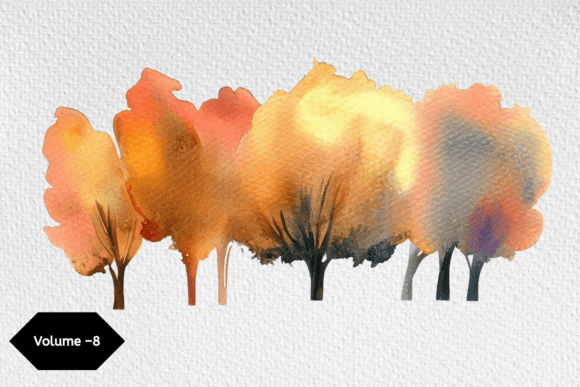
- Watercolor Tree Illustrations: These offer softness and organic flow, suitable for nature-themed products or editorial content.
- Photographic Tree Images: Ideal for landscape photography or nature-based campaigns requiring authenticity.
- Flat Vector Trees: Similar in format but usually more subdued in color and detail, they’re great for clean UI/UX design or app interfaces.
Evaluation Criteria for Choosing the Right Style
Selecting between the Abstract Red Tree and similar options depends on several factors. Here are some key considerations to guide your decision:
- Project Purpose: Is the goal to inform, inspire, or decorate? Each purpose may call for a different visual language.
- Target Audience: Who will see the design? Adults aged 20–50 may respond differently to abstract versus realistic imagery depending on the context.
- Color Scheme Compatibility: Does red align with your existing palette or theme? If not, consider converting the image or selecting another variant.
- Scalability Needs: If you require the image to scale up for large prints or down for digital thumbnails, the EPS vector format ensures clarity at any size.
- Time and Budget Constraints: The Abstract Red Tree is often quick to implement since it involves fewer details. This can save time during production cycles.
Practical Examples of Usage
Here are some real-world examples where the Abstract Red Tree could be effectively used:
- Fashion Branding: A clothing line focused on bold, modern aesthetics might use the Abstract Red Tree in their logo or pattern design to reflect energy and individuality.
- Interior Design: In a living room or office space, printed versions of the Abstract Red Tree could serve as wall art, adding a pop of color and a sense of movement.
- App Interface Design: As a subtle background element in mobile apps, the tree can enhance user experience by contributing to a cohesive visual narrative without overwhelming functionality.
- Marketing Campaigns: A campaign promoting health and vitality could incorporate the Abstract Red Tree as a metaphorical symbol of growth and strength.
How to Integrate the Abstract Red Tree into Your Workflow
With four high-resolution JPGs and four editable EPS files included in the package, integrating the Abstract Red Tree into your design workflow is straightforward. Here are a few tips:
- Use in Layers: Combine the tree with other abstract elements to build a dynamic composition without overcomplicating the layout.
- Customization Options: The EPS files allow for easy customization—adjust the shape, add effects, or blend with other vector graphics to match your project’s needs.
- Responsive Design: Ensure the tree is appropriately scaled for different screen sizes and resolutions, especially if used in websites or mobile applications.
- Test Color Variations: Experiment with tinting or toning the red to better align with your overall design scheme.
Tools and Platforms That Work Well with This Style
The Abstract Red Tree is compatible with most design software due to its availability in standard file formats. Some popular tools include:
- Adobe Illustrator: Perfect for editing the EPS files and manipulating the tree's form and color.
- Canva: Great for drag-and-drop integration into social media posts, flyers, or presentations.
- Photoshop: Useful for adjusting the JPG images, applying filters, or combining them with other raster elements.
- Inkscape (Free): A powerful open-source tool for modifying vector files without cost.
Conclusion
The Abstract Red Tree stands out for its bold color and simplified form, making it a versatile option for modern design projects. Whether you're enhancing a website, designing a poster, or developing a brand identity, this artistic element can contribute significantly to your visual strategy. However, its effectiveness depends on the specific requirements of your project, audience expectations, and design goals.
By considering the strengths and tradeoffs outlined here, along with practical comparisons to similar styles, you can determine whether the Abstract Red Tree is the right choice—or when another artistic direction might be more appropriate. Always prioritize alignment with your message and medium, ensuring the chosen style supports your overall vision without overshadowing it.