Boise: A City Embracing Creativity Through Decorative Type Lettering Design
Boise, the capital city of Idaho, is more than just a hub for government and industry. It's a growing center for creativity and innovation, particularly in visual design and typography. With its vibrant arts scene and increasing demand for high-quality graphic assets, many designers are turning to decorative type lettering to express the unique character of Boise in branding, signage, and digital media.
What Is Decorative Type Lettering?
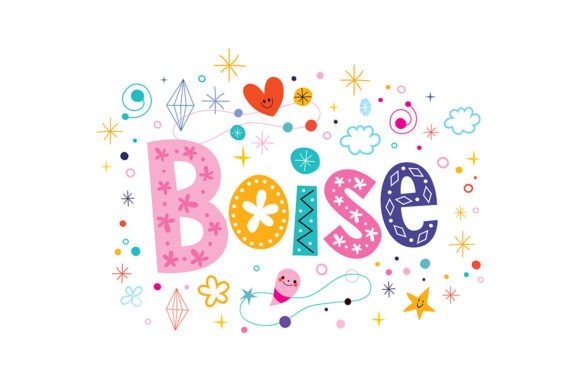
Decorative type lettering refers to stylized fonts or hand-drawn text that adds artistic flair to visual projects. Unlike standard fonts, which prioritize readability and consistency, decorative lettering often incorporates unique shapes, textures, and flourishes to evoke emotion or reflect a specific theme. This style is widely used in logos, posters, websites, and other creative applications where aesthetics play a key role.
Why Choose Decorative Lettering for Projects Related to Boise?
For designers working on projects related to Boise, decorative type lettering offers an excellent way to capture the essence of the city—its natural beauty, cultural diversity, and community spirit. Whether you're creating promotional materials for local businesses, event banners, or marketing campaigns, custom lettering can help your work stand out while staying true to Boise’s identity.
Enhancing Brand Identity
Local businesses and organizations in Boise often seek to create a strong sense of place through their branding. Decorative lettering allows them to craft a unique visual language that reflects the city's personality. For example, a boutique hotel might use rustic-style lettering to emphasize its mountain location, while a tech startup could opt for sleek, modern designs to highlight innovation.
Capturing Visual Interest
In today’s competitive marketplace, grabbing attention is essential. Decorative lettering can add visual interest and memorability to any project. When paired with high-resolution imagery or layered over scenic backgrounds of Boise, such as the Boise River Greenbelt or downtown skyline, it can enhance the overall impact of a design.
Benefits of Using EPS and JPG Files for Decorative Lettering
When working with decorative type lettering, especially for professional or large-scale projects, it's important to choose the right file formats. One common package includes an EPS file (Encapsulated PostScript) and a JPG file, both of which offer distinct advantages depending on the use case.
EPS File Illustrator 10: Scalable and Editable
The EPS format is ideal for print and vector-based projects. It maintains crisp edges at any size, making it perfect for logos, signage, and other designs that may need to be scaled up or modified. The inclusion of an Illustrator 10-compatible EPS file means designers have access to editable paths and layers, allowing for customization without losing quality.
JPG File: High-Resolution and Versatile
A JPG file provides a raster image with a resolution of 7087px x 5315px, which is suitable for web and digital displays. Its high resolution ensures that even when zoomed in, the lettering remains clear and visually appealing. This makes it a popular choice for social media graphics, online advertisements, and website headers featuring Boise-related content.
Tradeoffs and Considerations
While decorative type lettering can elevate a design, there are several tradeoffs and considerations to keep in mind before incorporating it into your work.
Readability vs. Aesthetics
One of the main challenges of using decorative lettering is balancing visual appeal with legibility. In some cases, overly ornate styles may make text difficult to read, especially from a distance or in small sizes. This is particularly important for Boise-based projects that require clarity, such as informational signs or product labels.
Context Matters
Not all contexts suit decorative lettering. While it works well for branding, invitations, or art installations, it may not be appropriate for formal reports, legal documents, or user interfaces where simplicity and accessibility are critical. Evaluating the purpose of your project will help determine whether this style is the right fit.
Technical Limitations
Working with EPS files requires software like Adobe Illustrator, so if you don't have access to these tools, you may face limitations in editing the lettering. Similarly, the JPG file is static and cannot be easily altered once rendered. Designers should consider their workflow and technical capabilities before selecting a file format.
When Decorative Lettering Is a Strong Fit for Boise-Based Projects
Decorative type lettering is especially effective in the following scenarios:
- Local Branding: Businesses in Boise looking to establish a strong regional identity can benefit from custom lettering that reflects the city’s vibe.
- Event Marketing: Promotional materials for events like the Boise Arts Festival or outdoor concerts gain visual appeal with unique lettering styles.
- Signage and Wayfinding: Creative yet functional signage for parks, museums, or commercial areas can incorporate decorative elements to engage visitors.
- Digital Media: Social media posts, email newsletters, and online ads featuring Boise landmarks or themes can use high-res JPGs for consistent visual quality.
When Alternatives May Be Worth Considering
Although decorative lettering has many benefits, there are situations where alternatives may be more appropriate:
- Accessibility Needs: If your audience includes individuals with visual impairments, standard fonts with good contrast and spacing may be a better option.
- International Audiences: Some decorative styles may not translate well across cultures or languages, limiting their effectiveness in global markets.
- Long-Term Use: If the design will be used in multiple formats or over time, ensure the lettering remains relevant and readable across different platforms and resolutions.
- Budget Constraints: Custom lettering packages may involve additional costs compared to standard font licenses. Evaluate whether the investment aligns with your project goals.
Practical Decision-Making Insights
Choosing the right decorative lettering for a Boise-themed project involves more than just picking a pretty font. Here are some practical insights to guide your decision:
Evaluate Your Project’s Purpose
Ask yourself what the primary goal is. Are you trying to build brand identity? Attract attention? Convey information? Understanding your objective will help you decide how much emphasis to place on decorative elements versus functionality.
Consider the Audience
Who will see the design? Young professionals, tourists, families, or business clients each have different expectations and preferences. Tailoring your lettering style to resonate with your target demographic can improve engagement and effectiveness.
Test Across Formats
Before finalizing your design, test the lettering in various formats and sizes. Check how it looks in print, on screens, and in motion. Make sure it complements the background imagery of Boise without overwhelming it.
Balance with Other Elements
Decorative lettering should enhance—not dominate—a design. Pair it with complementary colors, images, and layout structures to maintain harmony. For Boise-centric projects, consider using natural tones or landscape elements to reinforce the city’s aesthetic.
Conclusion
Decorative type lettering can be a powerful tool for designers working on Boise-related projects. It offers a way to blend creativity with communication, helping brands and organizations connect with their audiences on a deeper level. However, success depends on thoughtful evaluation of the project’s needs, the audience, and the technical requirements of the chosen file formats.
If you’re considering using an EPS file compatible with Illustrator 10 or a JPG file measuring 7087px x 5315px, take the time to assess whether these formats support your goals. By weighing the benefits and tradeoffs, you can make an informed decision about whether decorative lettering is the best approach for your next Boise-inspired design.