Watercolor Hibiscus Flowers: Creative Uses and Design Possibilities
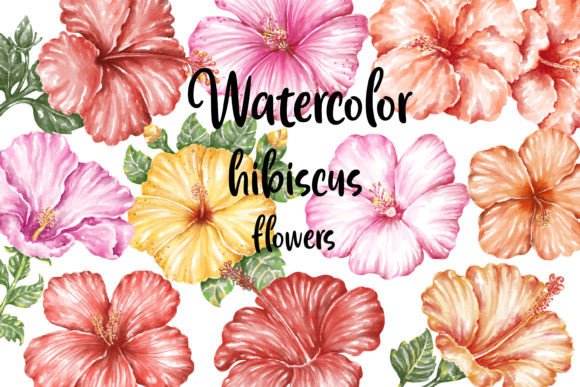
Watercolor hibiscus flowers offer a soft, elegant aesthetic that blends natural beauty with artistic charm. These illustrations capture the delicate translucency and vibrant hues of real hibiscus blooms using the expressive techniques of watercolor painting. When saved in PNG file format with a transparent background, they become incredibly versatile tools for creators across multiple industries.
Why Watercolor Hibiscus Flowers Stand Out
The appeal of watercolor hibiscus flowers lies in their ability to evoke warmth and creativity without overpowering a design. Unlike solid-color or vector-based illustrations, watercolor brings subtle textures, gradients, and brush strokes that mimic the organic nature of hand-painted art. This makes them ideal for projects requiring a personal, artistic touch while maintaining professionalism and clarity.
With a resolution of 300 DPI and dimensions between 1800-2100 pixels in height, these high-quality PNG files are ready for both digital and print use. The transparent background ensures seamless integration into any project, from minimalist web designs to intricate packaging concepts.
Design Applications and Use Cases
Whether you're a graphic designer, blogger, or small business owner, watercolor hibiscus flowers can be adapted in countless ways. Here are some practical applications where they shine:
- Decorative Cards: From wedding invitations to birthday cards, these illustrations add a fresh, romantic feel. Pair them with handwritten fonts or elegant typography for a cohesive look.
- Gift Wrapping and Tags: Use the transparent PNGs to create custom gift tags or overlay them on wrapping paper for an instant upgrade in presentation.
- Stickers and Labels: Their clear backgrounds make them perfect for digital stickers that can be printed on adhesive sheets or used as virtual assets online.
- Digital Prints and Backgrounds: Incorporate them into blog headers, social media templates, or app interfaces to add visual interest without cluttering the layout.
- Scrapbooking and Journaling: Add a pop of color and elegance to your pages by layering the images over photos or text elements.
- Bags and Apparel Patterns: Print them onto fabric or digital mockups for fashion-forward designs like tote bags, tea towels, or T-shirt graphics.
- Handicraft Projects: Whether you're making greeting cards, home décor, or DIY gifts, these illustrations provide a quick and beautiful way to elevate your work.
Realistic Project Ideas
Here are a few specific examples of how different professionals might use watercolor hibiscus flowers:
- Bloggers and Content Creators: Overlay a hibiscus illustration on a blog post header to match seasonal themes—like summer or tropical getaways. Keep the composition clean so the focus remains on the content.
- Small Business Owners: Use them as part of branding materials such as product labels, packaging wraps, or website banners to give your brand a warm and artistic identity.
- Graphic Designers: Integrate the transparent PNGs into layered designs for magazines, calendars, or editorial layouts. They work especially well when paired with muted tones or vintage-style photography.
- Event Planners: Customize table runners, place cards, or signage with these floral accents to create a cohesive and inviting atmosphere at events like weddings or garden parties.
- Freelancers and Educators: Include them in educational materials or creative portfolios to demonstrate design versatility and attention to detail.
Adapting the Illustrations for Different Goals
Each user will have unique needs and goals, and the beauty of watercolor hibiscus flowers is their adaptability. For instance, a marketer might want bold, eye-catching visuals, while a publisher could prefer something more subdued and refined. Understanding your audience and platform is key to using these illustrations effectively.
Consider the following tips for adapting the images:
- For Digital Platforms: Ensure the image is placed in a way that doesn't interfere with readability. Use it as an accent rather than a focal point if needed.
- For Print Materials: Take advantage of the 300 DPI resolution to ensure sharpness and quality. Test colors on actual paper to avoid surprises during printing.
- For Commercial Use: Always verify licensing terms before applying the images to products sold publicly. If you're creating a custom set, keep variations in mind—different sizes, angles, or bloom stages can enhance your collection.
Mix and Match Styles
One of the most exciting aspects of working with watercolor hibiscus flowers is combining them with other design styles. Try pairing them with:
- Geometric shapes and modern sans-serif fonts for a contemporary vibe.
- Retro patterns and typewriter-style text to create nostalgic, vintage-inspired layouts.
- Minimalist white space for a calming and luxurious feel.
- Other botanical illustrations for a full gallery or pattern suite.
These combinations help maintain originality while still leveraging the timeless beauty of hibiscus flowers.
Organizing and Using Your Files
Receiving 10 PNG files in a zip folder gives you a variety of options. To stay organized and efficient, consider naming each file based on its style, angle, or intended use (e.g., "Hibiscus-Red-FullBloom" or "Hibiscus-Pink-CloseUp").
When working with multiple files, consistency is important. If you're using several images together, make sure they’re scaled proportionally and colored cohesively to maintain a unified appearance. You can also experiment with blending modes in editing software to achieve more dynamic effects.
Tools and Tips for Working with PNGs
To get the most out of your watercolor hibiscus flower illustrations, here are some recommended tools and techniques:
- Adobe Photoshop or Illustrator: Ideal for resizing, recoloring, and integrating the images into larger compositions.
- Canva or Figma: Great for drag-and-drop design projects, especially when targeting digital platforms like websites or social media.
- Print Shops or Online Print Services: Upload the PNGs directly for high-quality printing on cards, posters, or fabric items.
- Layer Masks and Transparency: Since the background is transparent, use layer masks to fine-tune placement and blend seamlessly with other design elements.
Encouraging Audience Engagement with Hibiscus Themes
Hibiscus flowers symbolize love, admiration, and positivity in many cultures, making them excellent choices for engaging audiences emotionally. Whether you're designing for a customer base or a classroom, incorporating this imagery can resonate well and encourage interaction.
Here’s how to make it work:
- Use the illustrations in marketing campaigns centered around self-care, wellness, or travel-themed products.
- Create downloadable printable cards or wallpapers featuring the hibiscus art to share with followers on blogs or social media channels.
- Incorporate them into educational resources about botany, art history, or cultural symbolism to spark curiosity and conversation.
By aligning the theme of hibiscus with your message or product, you tap into universal symbols of beauty and renewal that connect easily with a broad audience.
Final Thoughts on Practical Creativity
Watercolor hibiscus flowers are more than just decorative—they’re a foundation for thoughtful, meaningful design. With their transparent backgrounds and professional resolution, they allow for endless experimentation and customization. The challenge isn’t just in placing the image but in understanding how it complements the rest of your creative vision.
As you explore these 10 PNG illustrations, think about what story you want to tell and how the hibiscus can play a role in it. Whether you’re aiming for elegance, simplicity, or bold expression, there's likely a version of the hibiscus that fits your purpose. Let your creativity guide you, and remember that sometimes the best designs come from trusting your instincts and letting the art speak for itself.