Ancient Medieval Traditional Building: A Strategic Approach to Timeless Design
The concept of Ancient Medieval Traditional Building encompasses architectural styles that have stood the test of time, drawing inspiration from the grandeur and craftsmanship of civilizations such as Ancient Greece, Rome, and various Eastern and Oriental traditions. These designs are not only visually striking but also rich in symbolism, historical context, and structural ingenuity. When applied thoughtfully in modern creative projects, they offer a unique opportunity to blend authenticity with innovation.
Understanding the Essence of Ancient Medieval Architecture
Ancient Medieval Traditional Building is more than just a visual style—it represents centuries of cultural evolution, engineering advancements, and artistic expression. The defining features include intricate entranceways, ornate windows, and decorative textures that evoke a sense of heritage and permanence. Elements like arches, columns, domes, and carvings are commonly found in these structures, reflecting the values and aesthetics of their time.
For creators, marketers, and entrepreneurs, leveraging this architectural language can be a strategic move. It adds depth and meaning to design projects, helping to communicate themes of tradition, strength, and sophistication. Whether you're crafting greeting cards, designing t-shirts, or producing educational content, incorporating these motifs can elevate your message and connect it with audiences on a deeper level.
Why This Style Matters Today
In an era dominated by digital trends and fast-paced consumption, there's a growing appreciation for timeless design. People are drawn to elements that tell a story and evoke emotion. Ancient Medieval Traditional Building offers just that—its enduring presence in history makes it a powerful symbol across industries like publishing, branding, education, and even product development.
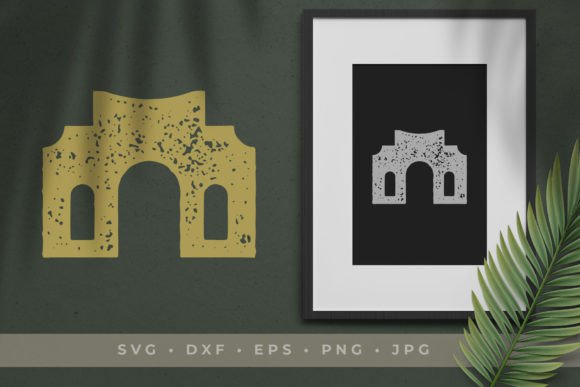
By using vector illustrations that depict antique house designs with grunge textures and detailed windows, professionals can add a layer of richness to their work. These files are ideal for both print and digital applications, including paper crafts, scrapbooking, typography quotes, and marketing materials. Their versatility ensures that you can adapt them to fit various formats without compromising quality or intent.
Strategic Use in Modern Projects
When planning a project that requires a strong visual identity, consider how Ancient Medieval Traditional Building might align with your goals. For example, if you're launching a brand focused on luxury, heritage, or artisanal products, integrating these architectural elements can help establish credibility and aesthetic appeal.
Here’s how different fields can benefit:
- Branding & Marketing: Use the imagery to create packaging or advertisements that stand out with a classic yet edgy look.
- Education & Publishing: Incorporate the designs into textbooks, posters, or learning kits about history and architecture.
- Creative Industries: Apply the motifs in fashion, stationery, or art prints to attract niche markets interested in vintage and fantasy themes.
- Interior Design: Repurpose the illustrations in home décor items or wall art to bring a touch of old-world charm into contemporary spaces.
Each use case demands a clear understanding of the audience and the purpose behind the design. The key is to ensure that the application feels intentional and enhances the overall message rather than appearing forced or irrelevant.
Planning Tips for Effective Integration
Before diving into the use of Ancient Medieval Traditional Building assets, take a moment to define your objective. Ask yourself:
- What emotions or ideas do I want to convey?
- Does this architectural style resonate with my target audience?
- How will the design enhance the user experience or communication goal?
Answering these questions helps avoid the trap of using historical visuals simply because they are visually appealing. Instead, you position them as meaningful components of your strategy.
For instance, if you’re creating a line of greeting cards centered around European history, a grunge texture vector illustration of a Roman-style entrance could serve as a compelling background. Similarly, in a typography quote project, placing text over a window design from an ancient Greek house may reinforce themes of wisdom or legacy.
Choosing the Right Files for Your Needs
With SVG, DXF, EPS, PNG, and JPEG files included in the digital download, you have access to a range of tools suitable for both high-resolution printing and scalable digital displays. Understanding the strengths of each file format is essential for maximizing utility and maintaining quality across platforms.
SVG (Scalable Vector Graphics) is perfect for logos, web graphics, and any design requiring scalability without loss of detail. DXF (Drawing Exchange Format) is great for laser cutting or CNC machines, making it ideal for physical crafts or signage. EPS (Encapsulated PostScript) supports complex vector artwork and is widely used in professional print environments. PNG and JPEG provide raster-based images, best suited for quick online sharing or when layered effects aren't necessary.
Consider your workflow and output requirements before selecting which files to use. If you plan to produce merchandise like t-shirts or mugs, SVG and PNG files will give you the flexibility needed for screen printing and digital embroidery. For printed books or magazines, EPS and JPEG files may better suit your layout needs.
Realistic Use Cases Across Industries
Let’s explore some practical scenarios where Ancient Medieval Traditional Building can be effectively deployed:
- Entrepreneurs: Start a boutique line of medieval-themed home goods, using these illustrations for labels, tags, and packaging. The aesthetic can help differentiate your brand in a crowded market.
- Marketers: Develop a campaign around a new travel service offering guided tours through historical sites. Use window and entrance illustrations to highlight the architectural beauty of destinations like Greece or Rome.
- Freelancers & Creators: Design custom greeting cards or calendars that celebrate architectural history. Pair the visuals with thoughtful messages or quotes to create a cohesive theme.
- Small Business Owners: Add a touch of elegance to your storefront by incorporating these designs into signage or promotional banners. They can evoke a sense of timelessness and trustworthiness.
- Bloggers & Educators: Illustrate articles or presentations on ancient civilizations with these visuals to make content more engaging and informative.
Each of these examples demonstrates how the right application of Ancient Medieval Traditional Building can support long-term outcomes, whether it’s enhancing brand identity, improving customer engagement, or enriching educational material.
When to Rely on This Style and When to Avoid It
While Ancient Medieval Traditional Building can be incredibly effective, it's not always the best fit. Consider the following guidelines to determine when to incorporate it into your projects:
- Use it when:
- You aim to communicate heritage, sophistication, or timelessness.
- Your audience has an interest in history, culture, or fantasy themes.
- You need a unique visual identity that stands apart from modern minimalist trends.
- Avoid it when:
- The context doesn’t align with the themes of the design.
- You're targeting a younger demographic that favors contemporary aesthetics.
- There's no clear narrative or purpose tied to the use of these visuals.
Using these illustrations randomly without considering the broader context can lead to confusion or misalignment with your intended message. Always anchor your design choices in a well-defined strategy.
Risks of Misapplication
One common risk is the misuse of Ancient Medieval Traditional Building without understanding its cultural significance. This can result in designs that feel inauthentic or even disrespectful. Another issue arises when these elements are used purely for novelty, leading to short-lived relevance and a lack of resonance with the audience.
To mitigate these risks, invest time in research and ensure that your use of the design aligns with the cultural and historical integrity of the source material. Engage with experts or reference authentic sources to maintain accuracy and respect.
Enhancing Creativity and Productivity Through Historical Inspiration
Historical architecture isn’t just about looking back—it’s about inspiring forward-thinking creativity. By studying the structure and details of Ancient Medieval Traditional Building, designers can unlock new ways to approach layout, color schemes, and composition.
For example, the symmetry and proportionality found in Roman buildings can guide modern layouts toward balance and harmony. The elaborate carvings and patterns from oriental architecture can inspire intricate graphic designs or textile patterns. These insights help creators develop more refined and impactful outputs.
Moreover, having access to cut files and printable files streamlines the production process. You can quickly prototype ideas, iterate on concepts, and deliver high-quality results efficiently. This is particularly valuable for those working under tight deadlines or managing multiple projects simultaneously.
Decision-Making Guidance for Intentional Use
Intentional use of Ancient Medieval Traditional Building starts with aligning the design with your project's core message. Here are some actionable steps to help you decide:
- Define the purpose of your design—is it for branding, storytelling, or product enhancement?
- Identify your audience—what resonates with them? What kind of emotional response are you aiming for?
- Select the appropriate file format based on your medium and technical requirements.
- Test the visuals in different contexts to see how they perform—whether digitally or in print.
- Seek feedback from peers or early users to gauge effectiveness and adjust accordingly.
These steps help ensure that every design choice is made with clarity and direction, reducing the likelihood of wasted effort or ineffective messaging.
Long-Term Value and Learning Opportunities
Beyond immediate applications, Ancient Medieval Traditional Building can serve as a foundation for ongoing learning and development. Exploring the architectural principles of past civilizations can deepen your understanding of spatial design, material use, and cultural symbolism—skills that are transferable to many modern disciplines.
For educators, this provides a chance to teach history and design in tandem. For freelancers, it opens up new niches and client opportunities. And for business owners, it offers a way to build lasting value through thoughtful and informed branding decisions.
As you continue to experiment with these illustrations, document what works and what doesn’t. Over time, you’ll build a personal knowledge base that informs smarter, faster decision-making in future projects.
Conclusion: Building with Purpose
Ultimately, the power of Ancient Medieval Traditional Building lies in its ability to bridge the past and present. When used strategically, it becomes more than just decoration—it becomes a tool for storytelling, identity building, and creative exploration.
Whether you're a marketer looking to craft a memorable campaign, a creator developing a themed collection, or an educator designing a visually engaging lesson plan, these vector illustrations offer a wealth of potential. But success depends on intentionality, alignment with goals, and a deep understanding of the audience you serve.
So, next time you’re planning a design project, ask yourself: How can Ancient Medieval Traditional Building help me achieve better outcomes? With the right mindset and approach, the answer may surprise you—and your audience will thank you for it.