Red Cloud in Vintage Japanese Style: A Timeless Design Element for Modern Creatives
Vintage Japanese style has long captivated the world with its elegant simplicity, deep cultural roots, and harmonious aesthetics. One of the most evocative symbols within this visual tradition is the red cloud, a motif that carries centuries of symbolism while resonating with contemporary design sensibilities. When rendered in a vintage Japanese style, the red cloud becomes more than just an image—it transforms into a powerful emblem of creativity, nostalgia, and artistic expression. This article explores how Red Cloud in Vintage Japanese Style. Dec can be leveraged by modern professionals, creators, and businesses to enhance their work and connect with audiences who appreciate both heritage and innovation.
The Meaning Behind the Red Cloud in Japanese Culture
In traditional Japanese art and symbolism, clouds are often associated with divinity, transformation, and the natural order. The color red, meanwhile, symbolizes vitality, celebration, and sometimes danger or passion. When these two elements combine in the form of a red cloud, they evoke a sense of dynamic energy and spiritual significance. Historically, red clouds appear in ukiyo-e woodblock prints, samurai imagery, and even in religious iconography, where they might represent divine presence or celestial phenomena.
Today, the red cloud in vintage Japanese style continues to carry these symbolic undertones but also serves as a versatile design asset. Whether used in branding, digital content, or physical products, it adds depth and meaning beyond mere decoration.
Historical Evolution and Contemporary Relevance
While the origins of the red cloud in Japanese culture date back to Edo-period art, its resurgence in modern design circles is part of a broader appreciation for vintage aesthetics. Designers, marketers, and entrepreneurs are increasingly drawn to motifs that feel timeless yet fresh—especially those rooted in rich cultural narratives.
This revival isn’t just about nostalgia; it’s about finding value in authenticity. In a digital landscape saturated with fleeting trends, the Red Cloud in Vintage Japanese Style. Dec offers a unique way to stand out while maintaining a connection to tradition. It’s not uncommon to see such designs featured in packaging for artisanal products, social media visuals for lifestyle brands, or even in corporate presentations seeking to convey elegance and trustworthiness.
Why Now? Trends Driving Interest in Vintage Japanese Motifs
Several key trends have contributed to the rising popularity of vintage Japanese-style graphics like the red cloud:
- Cultural Appreciation Over Appropriation: There's a growing awareness and respect for the cultural context behind design elements. People want to understand the stories behind what they use.
- Minimalism Meets Depth: Modern minimalism often lacks emotional resonance. Vintage Japanese elements bring warmth and narrative without clutter.
- High-End Branding Strategies: Luxury and niche brands are using culturally rich motifs to build identity and differentiate themselves from mass-market competitors.
- Remote Work and Digital Content Creation: As more creative work moves online, there’s a demand for high-quality, royalty-free assets that reflect sophistication and uniqueness.
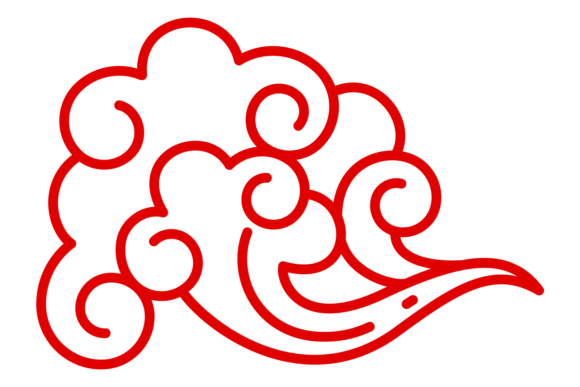
Assets such as “Red Cloud in Vintage Japanese Style. Decorative nature isolated on white background EPS, JPG” are especially valuable because they offer flexibility. Their clean composition allows them to blend seamlessly into diverse design projects, from website headers to print materials and mobile app interfaces.
Practical Applications Across Industries
Here are some real-world examples of how the red cloud motif fits into current workflows and user expectations:
Graphic Design and Branding
Designers working with clients in wellness, fashion, or luxury goods often turn to vintage Japanese motifs to add a touch of serenity and exclusivity. A red cloud graphic can serve as a subtle watermark, a focal point in logo design, or an accent in product illustrations. Because of its isolation on a white background, it works well as a transparent overlay or standalone icon.
Digital Marketing and Social Media
Marketers aiming to create visually cohesive campaigns may find the red cloud useful in crafting Instagram posts, Pinterest banners, or YouTube thumbnails. Its aesthetic appeal aligns with platforms that prioritize visual storytelling, and its cultural richness helps resonate with global audiences who appreciate Japanese artistry.
Print and Packaging
For small businesses and independent creators, using a vintage Japanese-style red cloud can elevate product packaging. Think of tea boxes, stationery sets, or greeting cards featuring a stylized red cloud to evoke a sense of tradition and craftsmanship. The .EPS format ensures scalability for printing at any size, while JPG files provide ready-to-use options for online promotions.
Interior and Product Design
Decorators and furniture designers are incorporating these motifs into home décor items like wall art, cushions, and lampshades. The red cloud, when rendered in vintage Japanese style, brings a calming yet vibrant presence to spaces, making it ideal for Zen-inspired interiors or boutique hotels seeking a distinct visual language.
How to Use Red Cloud in Vintage Japanese Style Effectively
Using this motif requires more than just placing it in your project. To truly harness its potential, consider the following best practices:
- Understand the Symbolism: Before integrating the red cloud into your design, research its meanings and ensure alignment with your brand message.
- Maintain Cultural Sensitivity: Avoid trivializing the motif by using it thoughtfully and respecting its historical context.
- Pair with Complementary Elements: Combine the red cloud with other traditional Japanese motifs such as cranes, bamboo, or cherry blossoms for a cohesive look.
- Use High-Quality Formats: Opt for vector-based .EPS files for crisp, scalable reproduction and JPG versions for quick web integration.
- Test in Context: Try the design in different sizes and placements to ensure it enhances rather than distracts from your main message.
Realistic Examples and Observations
Consider the case of a boutique skincare brand launching in Asia and North America. They chose to feature a Red Cloud in Vintage Japanese Style. Dec on their packaging and website to suggest purity and timelessness. The result was a stronger emotional connection with customers and increased perceived value of their products.
Another example comes from a digital nomad community platform that redesigned its blog layout with vintage Japanese-style elements. By including the red cloud as a recurring header graphic, they created a unified visual theme that stood out from generic stock images and reinforced the brand’s commitment to thoughtful design.
These cases illustrate how a single motif can become a cornerstone of a larger design strategy when applied with intention.
Where to Find and How to Integrate These Assets
There are several reputable sources for acquiring high-resolution Red Cloud in Vintage Japanese Style. Decorative nature isolated on white background EPS, JPG files. Platforms like Adobe Stock, Shutterstock, and iStock offer professionally curated collections that include traditional motifs adapted for modern use.
When selecting assets, look for ones that maintain the integrity of the original design while being optimized for digital and print applications. Key features to consider include:
- Clarity and Detail: Ensure the cloud retains its intricate linework and texture.
- Color Accuracy: Choose files where the red hue feels authentic and consistent with vintage palettes.
- Background Isolation: Files with a white or transparent background allow easy customization and layering.
- License Type: Confirm you’re purchasing a license suitable for your intended use, whether personal, commercial, or editorial.
Once acquired, these graphics can be integrated into your workflow using tools like Adobe Illustrator for .EPS files or Photoshop for editing JPGs. For web developers and UX designers, SVG or PNG conversions may also be necessary depending on the platform requirements.
Recommendations for Creative Teams
For teams managing multiple projects, here are a few recommendations to streamline the use of vintage Japanese-style assets like the red cloud:
- Create a library of trusted resources to avoid repeated searches for quality images.
- Hold short team sessions to discuss cultural relevance and design harmony before finalizing visuals.
- Use the red cloud as a thematic anchor across marketing collateral, packaging, and digital assets for brand consistency.
- Encourage feedback from users or stakeholders to gauge how effectively the motif communicates your message.
Beyond Aesthetics: Emotional and Psychological Impact
Design is not only about appearance—it also affects perception and emotion. The red cloud in vintage Japanese style taps into subconscious associations with beauty, tranquility, and reverence for nature. These qualities can subtly influence user experience and brand loyalty.
Psychologically, red is known to stimulate excitement and urgency, while clouds often represent movement and change. Together, they can suggest innovation wrapped in tradition—an appealing duality for many consumers today. This makes the red cloud particularly effective in industries such as travel, mindfulness, and high-end fashion, where mood plays a critical role in customer engagement.
Adapting to Global Markets
As brands expand internationally, culturally inspired designs like the red cloud can help bridge gaps and foster deeper connections. However, it’s important to balance local appeal with universal accessibility. Using the vintage Japanese style in a respectful and informed manner ensures that your design speaks to both Japanese audiences and others who admire its artistry.
One approach is to pair the red cloud with universally understood elements—like watercolor textures or soft gradients—to soften its cultural specificity while retaining its visual charm. This allows the design to remain meaningful without alienating viewers unfamiliar with its roots.
Future Outlook and Thoughtful Integration
As design trends continue to evolve, the demand for culturally rich, high-quality assets will likely grow. The Red Cloud in Vintage Japanese Style. Dec is positioned well to meet this need, especially given its adaptability across formats and contexts.
Looking ahead, we may see more hybrid styles that blend vintage Japanese elements with futuristic or tech-oriented themes. The red cloud could appear alongside neon lighting in cyberpunk-inspired branding or as a subtle accent in minimalist e-commerce sites. The key will be maintaining the essence of the original design while innovating its application.
For creators and businesses, now is the time to experiment with these motifs and integrate them into their visual strategies. Start small—try one graphic in a post or a label—and observe how it resonates with your audience. With thoughtful use, the red cloud can become a signature element that reflects both your values and your attention to detail.
Final Thoughts on Design and Cultural Connection
Ultimately, the Red Cloud in Vintage Japanese Style is more than just a decorative image. It’s a link between past and present, offering designers a tool to communicate complex ideas through simple, powerful visuals. Whether you're a marketer looking to elevate your next campaign or a hobbyist experimenting with new styles, understanding and applying this motif can enrich your work in unexpected ways.
By choosing assets like “Red Cloud in Vintage Japanese Style. Decorative nature isolated on white background EPS, JPG,” you’re not only enhancing your projects—you’re participating in a global dialogue about beauty, history, and the future of design.