Enhancing Designs with Batik Pattern Corner Elements: A Modern Take on Traditional Indonesian Art
Batik, a traditional textile art from Indonesia, has long been celebrated for its intricate designs and deep cultural significance. Known for its rich symbolism and vibrant aesthetics, batik is more than just fabric—it's a representation of heritage, identity, and national pride. In the realm of graphic design, batik patterns have emerged as powerful decorative elements that can add both visual appeal and meaningful context to any project.
What Are Batik Pattern Corner Elements?
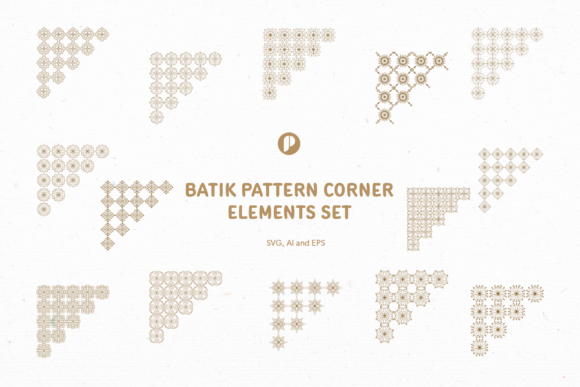
A Batik Pattern Corner Elements Set refers to a collection of corner-based design elements inspired by the classic motifs of Indonesian batik. These sets typically include 15 individual pieces that are crafted to be used in corners of layouts such as presentations, banners, posters, or social media graphics. Rather than using an entire batik pattern as a background—which may overwhelm text-heavy designs—these corner elements offer a refined way to incorporate batik into modern compositions.
The beauty of these corner elements lies in their ability to blend tradition with contemporary design sensibilities. They are not only visually striking but also highly versatile, making them ideal for designers who want to infuse cultural depth without compromising functionality or readability.
Why Use Batik Corners in Design Projects?
- Cultural Representation: Batik is recognized globally as a symbol of Indonesian culture. Using it in your design helps celebrate and promote this heritage, especially when targeting audiences familiar with or interested in Southeast Asian traditions.
- Visual Interest: The detailed and symmetrical nature of batik patterns adds a sense of elegance and uniqueness to any layout. These corner elements act as focal points that draw attention and enhance the overall look of the design.
- Balance and Harmony: Incorporating batik corners allows you to maintain balance in your design. They provide decorative touches without dominating the space, which is particularly useful when working with text-heavy content like reports, brochures, or educational materials.
- Flexibility: With formats like AI, SVG, and EPS, these elements are compatible with most design software. This makes them easy to customize, scale, and integrate into various projects.
Understanding the Symbolism Behind Batik Patterns
Before diving into how to use batik corners effectively, it's important to understand the meaning behind the patterns. Each motif in batik carries symbolic weight, often representing values such as unity, prosperity, strength, or spirituality. For instance, some common motifs include:
- Mega Mendung – "Big Clouds," symbolizing love and affection.
- Kawung – Inspired by palm fruits, representing purity and harmony.
- Parang – A geometric pattern symbolizing bravery and resilience.
By selecting specific corner elements based on these motifs, designers can subtly convey messages that resonate with the intended audience. This thoughtful approach ensures that the design is not only visually appealing but also culturally informed.
The Significance of Color in Batik Design
Color plays a vital role in batik, as it contributes to the emotional tone of the design. In many cases, brown tones are used to evoke feelings of warmth, stability, and humility. These characteristics align well with the core values of traditional Indonesian philosophy, making brown an excellent choice for professional or academic projects that aim to reflect respect and groundedness.
While brown is a popular option, many batik pattern corner element sets come in a variety of colors to suit different themes and styles. Whether you're designing for a business event, a school presentation, or a digital campaign, choosing the right color palette will help ensure your message is delivered effectively.
How to Integrate Batik Corners into Your Design
Incorporating batik corner elements into your design doesn't require advanced skills. Here’s how you can start using them in your next project:
Step 1: Choose the Right Format
The Batik Pattern Corner Elements Set usually includes files in AI (Adobe Illustrator), SVG (Scalable Vector Graphics), and EPS (Encapsulated Postscript). These vector-based formats allow for high-quality scaling and editing. If you're using Adobe Illustrator, open the AI file and drag the desired elements onto your canvas. For web-based or digital projects, SVG might be the best option due to its compatibility with online platforms.
Step 2: Select Complementary Elements
Since the set contains 15 elements, you can choose a few that complement each other in terms of style and motif. Mixing elements from similar patterns can create a cohesive theme, while combining contrasting ones can add visual intrigue. Try placing two different elements in opposite corners to frame your design elegantly.
Step 3: Adjust Size and Position
Resizing and repositioning the elements is straightforward with most design tools. Ensure that the corners don’t overshadow the main content, especially if you're including large amounts of text. A good rule of thumb is to keep the elements small enough to serve as accents rather than distractions.
Step 4: Pair with Appropriate Typography and Layout
To maintain an elegant and balanced design, pair batik corners with clean, minimalist typography. Avoid overly complex fonts that could clash with the delicate details of the batik pattern. Also, consider the layout flow—placing the elements at strategic corners can guide the viewer's eye toward key information.
Real-World Applications of Batik Corners
Batik corner elements are incredibly adaptable and can be applied across multiple industries and purposes. Let’s explore some examples:
Presentations and Reports
When preparing a corporate or academic presentation, adding batik corners can give your slides a unique and sophisticated feel. It works especially well when presenting topics related to culture, history, or international relations. For example, a university lecture on Southeast Asian textiles can benefit from subtle batik accents that reinforce the subject matter.
Marketing and Advertising
Brands looking to connect with Indonesian audiences or showcase cultural authenticity can use batik corners in promotional materials. Banners, flyers, and product packaging featuring these elements can communicate a sense of tradition and trustworthiness. A tourism company promoting Bali, for instance, might use batik corners to emphasize local culture and attract culturally conscious travelers.
Social Media and Digital Content
In today’s digital age, batik corners can elevate your social media posts, blog headers, or website banners. They add a touch of artistry and can make your brand stand out with a distinctive aesthetic. Whether you're sharing a post about Indonesian cuisine or showcasing eco-friendly products inspired by local craftsmanship, these elements can enhance engagement and storytelling.
Event Invitations and Cultural Celebrations
For events such as weddings, festivals, or exhibitions celebrating Indonesian heritage, batik corners can be used in invitations, backdrops, and signage. Their presence instantly elevates the design and conveys a sense of celebration and reverence for tradition.
Batik Corners vs. Full Batik Backgrounds
One common misconception is that batik must always be used as a full background. While this is certainly a valid approach, it’s not always practical—especially in designs that require clear visibility of text or images. Full batik backgrounds can become overwhelming and detract from the main message. That’s where corner elements shine; they offer a solution that respects the beauty of batik while keeping the design functional and user-friendly.
Using corner elements also allows for greater creativity. You can mix and match elements from different batik styles or even layer them subtly over other textures and patterns. This level of customization ensures your design remains original and tailored to your specific needs.
Modern Batik: Bridging Tradition and Innovation
Contemporary batik designs have evolved significantly from their traditional roots. Today, many artists and designers reinterpret classic motifs with simplified lines, updated color schemes, and modern applications. The Batik Pattern Corner Elements Set is a prime example of this evolution. Its designs are more streamlined, making them suitable for both traditional and modern contexts.
This fusion of old and new opens up exciting possibilities. You can now apply batik elements in logos, app interfaces, branding materials, and even fashion illustrations. As long as the essence of the pattern is preserved, there's no limit to how creatively you can use these elements in your work.
Design Tips for Using Batik Corners Effectively
- Use Sparingly: Since batik is so visually rich, using too many elements can clutter your design. Stick to one or two corners per page for a clean and impactful look.
- Contrast with Simplicity: Balance the complexity of batik with simple, uncluttered layouts. This contrast enhances readability and draws attention to the batik accents.
- Experiment with Placement: Don’t limit yourself to the corners alone. You can also place batik elements near headings, footers, or image borders to highlight specific sections.
- Combine with Other Cultural Elements: To create a more immersive experience, pair batik corners with other Indonesian-inspired visuals like traditional calligraphy, Javanese architecture, or gamelan music icons.
The Broader Impact of Batik in Graphic Design
As global interest in cultural diversity grows, incorporating batik into design becomes more than a stylistic choice—it’s a statement. By using batik corners, designers contribute to the preservation and promotion of Indonesian art in a modern context. This practice supports local artisans, encourages cultural appreciation, and fosters inclusivity in the creative world.
Moreover, batik’s increasing popularity in design reflects a larger trend of integrating cultural symbols into everyday life. From fashion to interior design, batik continues to inspire innovation while honoring its roots. In education, for example, students learning about design principles can study batik as a case of how traditional art adapts to modern needs.
Common Misunderstandings About Batik Corners
Despite their growing use, there are still misconceptions about batik corner elements:
- Misconception 1: “Batik is only for traditional designs.” Reality: With modern adaptations, batik fits seamlessly into contemporary styles, including minimalism and flat design.
- Misconception 2: “I need to know Indonesian to use batik correctly.” Reality: While understanding the cultural context is beneficial, the visual aspect alone can enhance your design without needing in-depth knowledge.
- Misconception 3: “Batik is hard to work with in digital formats.” Reality: Thanks to scalable vector files, batik elements are easy to manipulate and adapt to various screen sizes and resolutions.
Conclusion: Embracing Tradition Through Design
The Batik Pattern Corner Elements Set offers a unique opportunity to bring the soul of Indonesian culture into your design projects. Whether you're creating something for business, education, or personal expression, these elements can enrich your work with artistic value and deeper meaning. They are perfect for those who appreciate the delicate balance between aesthetics and purpose, especially when dealing with text-heavy or modern-style layouts.
By using batik corners, you’re not just enhancing the visual appeal of your design—you’re also contributing to a broader movement of cultural awareness and appreciation. As we continue to innovate and embrace diverse influences, batik stands as a timeless reminder of the power of art to bridge past and present, tradition and technology.
If you’re ready to take your design to the next level, consider exploring a Batik Pattern Corner Elements Set. Available in multiple file formats, these elements are designed for flexibility and ease of use. Start experimenting today and discover how batik can transform your creative projects into something truly special.