What Is a Blank Label in Vintage Hipster Style? A Creative Design Guide
Understanding the Concept of Blank Labels in Vintage Hipster Style
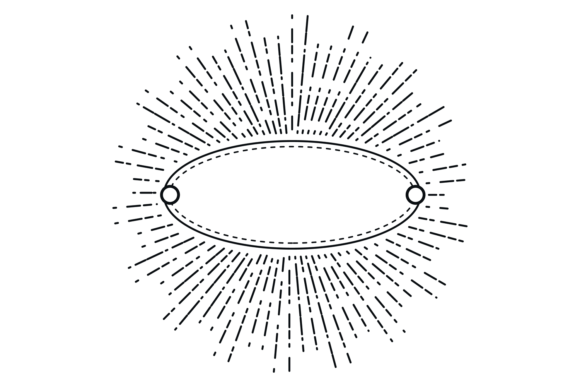
A blank label in vintage hipster style refers to a design element that mimics the aesthetic of retro or antique labels, often used for branding, packaging, or creative projects. These labels are typically left blank, allowing users to customize them with text, logos, or other graphics. The term "vintage hipster" combines the nostalgic appeal of older design trends with the modern revival seen in today’s artistic and fashion communities.
Vintage hipster styles often draw inspiration from the mid-20th century—especially the 1950s and 1960s—featuring elements like hand-drawn typography, distressed textures, muted color palettes, and ornate borders. When applied to a blank label, these characteristics create a canvas that feels both timeless and intentionally crafted for a specific visual narrative.
The Purpose and Appeal of Vintage Hipster Labels
These types of labels serve multiple purposes across various industries. In branding, they help establish a unique identity by evoking a sense of nostalgia and authenticity. For artists and designers, they offer an opportunity to blend historical aesthetics with contemporary creativity. And for consumers, they provide a tangible connection to eras known for craftsmanship and simplicity.
The appeal of a vintage hipster-style label lies in its ability to stand out without being flashy. It tells a story before any words are added. Whether you're designing a product for a boutique store, personalizing a gift, or creating content for social media, using such a label can instantly elevate your design’s charm and character.
Why Use a Blank Label in Vintage Hipster Style?
In today’s fast-paced digital world, people are increasingly drawn to designs that feel authentic and handcrafted. A retro-stamped label or a decorative vintage label taps into this desire by offering a tactile, visually rich alternative to minimalist or ultra-modern graphics. Here’s why it's a popular choice:
- Brand Differentiation: Vintage hipster labels can make your brand appear more unique and artisanal compared to competitors using standard fonts and colors.
- Customization Flexibility: Being blank means you have full control over what message or logo is placed on the label, making it ideal for small businesses and independent creators.
- Creative Projects: Artists and hobbyists use these labels for DIY crafts, scrapbooking, and vintage-themed events or products.
- Marketing Nostalgia: They connect with audiences who appreciate retro aesthetics and can be particularly effective in niche markets like vinyl records, craft beer, or artisanal food products.
Where Are These Labels Commonly Used?
Blank vintage hipster labels are versatile and can be found in a wide range of applications. Some common uses include:
- Product Packaging: Especially in industries like cosmetics, gourmet foods, and handmade goods, where the appearance plays a significant role in consumer perception.
- Event Branding: At retro-themed parties, music festivals, or pop-up shops, these labels add to the ambiance and enhance the overall experience.
- Digital Content: As part of website headers, app icons, or social media banners, they help maintain a cohesive and stylish visual language.
- Stationery and Crafts: From personalized notebooks to custom stickers, these labels bring a touch of elegance and old-world charm.
Design Elements That Define a Vintage Hipster Label
To truly understand how to recognize or create a vintage hipster label, it’s important to explore the key design elements that define this style:
Typography
Retro fonts are essential. Think serif typefaces with a slightly worn look, cursive scripts reminiscent of typewriters, or even hand-drawn lettering. These fonts often feature irregular spacing, subtle imperfections, and a warm, inviting texture that adds to their authenticity.
Color Palette
Vintage hipster labels usually rely on muted tones and earthy shades. Colors like sepia brown, dusty rose, olive green, and cream are commonly used. Occasionally, bold red or deep navy may appear for contrast, but the palette remains grounded in a nostalgic, subdued aesthetic.
Textures and Effects
Distressed effects, such as paper aging, watercolor washes, or faded ink, are typical. These techniques give the label a weathered, used appearance that enhances the retro vibe. Decorative retro stamps, especially those in EPS, JPG, SVG, or transparent PNG formats, are frequently used to add a final touch of authenticity.
Ornamental Borders and Details
Many vintage-style labels include intricate borders, floral motifs, or geometric patterns. These details are not just decorative—they contribute to the label’s storytelling aspect, suggesting a time when every piece of branding was meticulously designed.
How to Choose the Right Blank Label for Your Project
Selecting the right blank label in vintage hipster style depends largely on the context in which it will be used. Here are some factors to consider:
Understand Your Audience
If your target market values tradition and craftsmanship, a vintage label could resonate well. However, if your audience prefers sleek, modern designs, a more subtle approach might be necessary. Always align the label’s style with the brand personality you want to convey.
Consider the Format
Labels come in different file formats, each with its own advantages:
- EPS (Encapsulated PostScript): Ideal for high-quality printing and scalability. Perfect for businesses needing professional-grade labels.
- JPG: Best suited for web use and simple print jobs. Easy to share and edit with basic software.
- SVG (Scalable Vector Graphics): Great for digital projects and responsive design. Maintains clarity at any size.
- Transparent PNG: Offers a clean background for layered designs or overlay work. Excellent for digital illustrations and web graphics.
Match the Theme
Your label should complement the overall theme of your project. If you’re working on a decorative retro stamp for a wine bottle, the label should reflect the era of the vintage wine. For a music-related design, perhaps a record label motif would be appropriate.
Practical Applications in Modern Contexts
Vintage hipster-style labels aren’t just for nostalgic purposes; they fit seamlessly into many aspects of modern life and business:
Business Branding and Packaging
Startups and indie brands often use these labels to differentiate themselves. For example, a small coffee shop might apply a vintage-style label to its branded mugs or takeout containers, giving customers a sense of history and quality.
Education and Stationery
Teachers and students love using these labels for classroom projects, custom folders, or labeled jars in science experiments. The aesthetic makes learning materials feel more engaging and personal.
Technology and Digital Media
Even in tech, vintage-inspired designs are making a comeback. Developers and designers might use a decorative retro stamp in app interfaces or as part of a website logo to add a human touch to otherwise digital experiences.
Personalized Gifts and Crafts
Handmade items like candles, soaps, or photo frames become more appealing when adorned with a retro-style label. These labels are also great for custom wedding favors, baby gifts, or holiday decorations.
Common Misconceptions About Vintage Hipster Labels
Despite their popularity, there are several misunderstandings about what these labels are and how they should be used:
They Are Only for Old Products
This isn’t true. While they do evoke a sense of age and heritage, they are perfectly suitable for new and innovative products. The key is to use them in a way that complements the product’s story and value proposition.
They Don’t Work in Professional Settings
On the contrary, when used thoughtfully, vintage hipster labels can enhance professionalism. For instance, a boutique law firm might adopt a subtly vintage logo to project wisdom and trustworthiness.
They Are Hard to Customize
Thanks to modern design tools and the availability of vector files like SVG and EPS, customization is easier than ever. You can tweak colors, add text, or layer images to suit your needs without compromising the label’s original charm.
Creating and Using Your Own Blank Labels
Whether you’re a designer or a casual user, creating your own blank label in vintage hipster style can be a rewarding process. Here’s how to get started:
Find the Right Template
Begin by sourcing a high-quality template. Look for options available in EPS, JPG, SVG, or transparent PNG formats. Many online marketplaces offer free or paid vintage label templates that you can easily modify.
Edit with Care
Use graphic design software like Adobe Illustrator or Canva to adjust the label. Keep the changes minimal to preserve the original aesthetic. Add only necessary text or logos, ensuring they don’t overpower the vintage elements.
Print or Apply Digitally
Once customized, you can either print the label for physical use or apply it digitally. Transparent PNGs are perfect for overlays, while SVG files allow for seamless integration into websites and apps.
Test for Consistency
Ensure the label works well across all platforms and mediums. Does it look good on a product box? How does it scale on a webpage? Testing helps maintain the integrity of your design in every context.
Examples of Vintage Hipster Labels in Action
Let’s take a look at some real-world examples of how a blank label in vintage hipster style can be effectively used:
- Craft Beer Bottles: Many microbreweries use vintage-style labels to emphasize their artisanal roots and local identity.
- Artisanal Food Packaging: Jam jars, cheese boxes, and spice tins often feature these labels to highlight natural ingredients and traditional methods.
- Fashion Brands: Clothing lines with a retro flair incorporate such labels into tags, care instructions, or product cards.
- Music Albums and Merch: Indie musicians and bands frequently use vintage labels for CD covers, posters, and merchandise to build a cohesive brand image.
Final Thoughts: Embracing the Timeless Charm
A blank label in vintage hipster style is more than just a design—it’s a bridge between past and present. By understanding its purpose, significance, and application, you can harness its potential to enhance your creative and commercial projects. Whether you're a small business owner, a graphic designer, or simply someone who loves retro aesthetics, these labels offer a unique way to express your vision with depth and character.
As long as you choose the right format—like EPS, JPG, SVG, or transparent PNG—and apply it thoughtfully, you’ll find that a vintage hipster label can be both functional and beautifully expressive. So next time you're looking to add a touch of nostalgia to your design, consider starting with a blank label and letting your creativity fill in the rest.