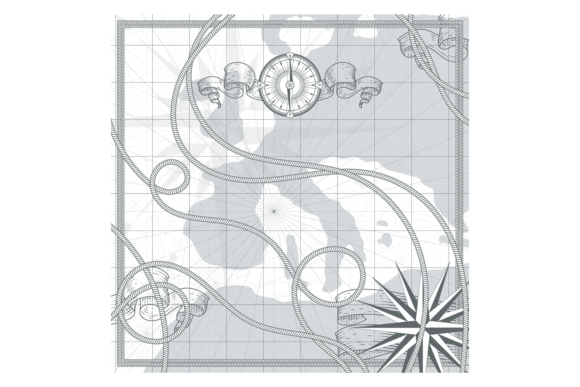
Vintage Nautical Map Background Decor
A Vintage Nautical Map Background is a design element that brings the charm and character of historical sea charts into modern visual projects. Whether you're working on a website, print material, or digital content, this type of background can add a sense of adventure, nostalgia, and timeless elegance. It often features elements like compass roses, nautical symbols, ship outlines, latitude lines, and aged textures that evoke the spirit of exploration and maritime history.
What Makes It Special?
The appeal of a Vintage Nautical Map Background lies in its unique blend of practicality and aesthetics. Originally used by sailors to navigate the seas, these maps have evolved into highly decorative pieces that can transform any space or project. The intricate details and warm color palettes make them stand out, while their thematic versatility allows them to fit into various styles from coastal shabby chic to bold retro designs.
Available in multiple formats such as EPS, JPG, SVG, and transparent PNG, these backgrounds are perfect for both print and digital use. Vector-based options like SVG and EPS ensure scalability without loss of quality, making them ideal for logos, large posters, or web graphics that need to adapt across devices.
Characteristics You Should Know
- Historical Aesthetic: These backgrounds mimic old parchment, with subtle cracks, yellowing effects, and faded ink to give an authentic vintage feel.
- Decorative Elements: Includes compasses, ships, ropes, waves, and other nautical motifs arranged in a visually pleasing layout.
- Transparency Options: Transparent PNG versions allow for seamless integration into layered designs or when a more subtle effect is desired.
- Customizability: With vector files (like EPS and SVG), users can edit colors, scale freely, and adjust specific components to suit their creative needs.
Who Benefits from Using This Design?
Anyone looking to infuse a touch of maritime heritage into their visuals could benefit from a Vintage Nautical Map Background. It's especially popular among:
- Web designers creating travel-themed websites or online stores selling boating gear.
- Marketing professionals aiming to craft engaging campaigns for luxury yachts, maritime events, or themed restaurants.
- Interior decorators who want to add a focal point to coastal or rustic-style spaces.
- Bloggers and educators designing educational materials about geography, history, or sailing.
- Entrepreneurs launching brands with a nautical identity, such as surf shops, seafood restaurants, or outdoor adventure companies.
Realistic Use Cases
- Website Headers: Use a nautical map background to create a striking header for a travel blog or a yacht charter business site. Pair it with clean typography for contrast.
- Printed Invitations: Ideal for wedding invitations or event flyers with a beach or sailing theme. Add gold foil accents or seashells for extra flair.
- Business Logos: Blend the background with a minimalist logo for a brand centered around exploration, marine life, or adventure tourism.
- Interior Wall Art: Print a large version of a nautical map background and frame it to become a statement piece in a home office, restaurant, or boutique hotel room.
- Social Media Graphics: Enhance your Instagram or Facebook posts with a Vintage Nautical Map Background to maintain a cohesive brand image with a classic twist.
Why Choose a Vintage Nautical Map Background?
These backgrounds serve more than just visual appeal—they help convey a message or mood. If you're promoting a product or concept related to the sea, using a Vintage Nautical Map Background can immediately connect with your audience’s imagination. It creates a sense of journey, discovery, and tradition that resonates well with both casual viewers and niche enthusiasts.
For creators, the beauty of these designs is their ability to complement rather than overwhelm. They work best when paired with simple text or minimalistic layouts, allowing the background to enhance the overall theme without distracting from key messages.
Beginner Tips for Effective Use
If you're new to using Vintage Nautical Map Backgrounds, start by understanding the context where they'll be applied. Here are some beginner-friendly suggestions:
- Use transparent PNG versions if you plan to layer them over photos or other graphics.
- Stick to a limited color palette—let the background speak for itself without adding too many bright hues.
- Experiment with SVG or EPS files in graphic design software like Adobe Illustrator to customize shapes and elements.
- Consider how lighting and shadows interact with the texture to avoid muddying your design.
- Balance the background with white space to keep your content readable and focused.
Where Can You Find High-Quality Files?
There are several platforms where you can source decorative navigation paper or Vintage Nautical Map Backgrounds. Look for sites that offer high-resolution downloads in multiple formats. When choosing, prioritize quality and flexibility—vector illustrations will give you the most control during customization.
You can also commission custom artwork from designers who specialize in nautical themes. This is a great option if you need something tailored to your brand or project. Always check for licensing information before downloading or purchasing, especially if you plan to use the design commercially.
Things to Consider Before Choosing
Before incorporating a Vintage Nautical Map Background into your work, consider the following:
- Theme Relevance: Ensure the background aligns with the overall look and feel of your project. It should support—not clash with—the message you’re trying to send.
- File Format Needs: Decide whether you need a static image (JPG) or an editable file (SVG/EPS). For digital banners or icons, SVG offers better clarity at different sizes.
- Color Harmony: Test the background with your primary colors to ensure readability and aesthetic balance.
- Resolution Requirements: For print projects, always go for high-resolution images to prevent pixelation.
- Usage Rights: Confirm whether the background you choose is royalty-free or requires attribution. Some designs may be exclusive and come with additional terms.
How to Integrate It Seamlessly
One common challenge when using detailed backgrounds like a Vintage Nautical Map is ensuring legibility. To overcome this, try the following techniques:
- Overlay a semi-transparent color wash to tone down the detail and create contrast.
- Use bold fonts with high contrast against the background to keep text readable.
- Incorporate white or colored borders around important content areas to separate them from the busy design.
- Limit the amount of text placed directly over the background to maintain clarity and focus.
Another idea is to isolate specific parts of the illustration, such as a compass rose or ship silhouette, and use those as standalone design elements. This approach gives you more control and prevents the background from becoming too overwhelming.
Practical Applications in Different Industries
Here’s how different industries might utilize a Vintage Nautical Map Background:
- Travel Agencies: Use it in brochures or landing pages to evoke the feeling of adventure and exploration.
- Educational Materials: Incorporate it into geography lessons or maritime history presentations for a more immersive experience.
- Event Planning: Apply it to programs, signage, or decorations for nautical-themed weddings, galas, or festivals.
- Product Packaging: Add a retro touch to packaging for nautical-inspired products like watches, apparel, or accessories.
- Content Creation: Use it as a backdrop for YouTube thumbnails, blog headers, or podcast covers targeting travel, lifestyle, or education niches.
Enhancing Your Project with Vintage Nautical Map Background
When used thoughtfully, a Vintage Nautical Map Background can elevate the professionalism and visual interest of your project. Its ability to tell a story through design makes it a powerful tool in branding, marketing, and interior decor. The right background can set the tone and even influence how people perceive your message or product.
For example, imagine a small business owner launching a line of handcrafted wooden boat models. By using a Vintage Nautical Map Background on their website and social media, they instantly communicate the heritage and craftsmanship behind their products. It helps build trust and adds a layer of authenticity that customers appreciate.
Combining with Other Design Elements
To get the most out of your Vintage Nautical Map Background, think about combining it with complementary elements such as:
- Classic serif fonts for headings and body text.
- Wooden textures or rope patterns for added depth.
- Seagull silhouettes or anchor icons for subtle reinforcement of the theme.
- Soft blues and greens to match the oceanic vibe.
- Muted metallic accents like brass or silver for a vintage finish.
This kind of thoughtful layering can turn a simple background into a full-fledged design narrative.
Final Thoughts on Decorative Navigation Paper
While a Vintage Nautical Map Background can add richness to your visuals, it’s important to remember that less is often more. These designs are meant to inspire and complement—not overshadow. Take time to experiment with placement, scaling, and color adjustments to find what works best for your specific needs.
Whether you're a designer, marketer, educator, or hobbyist, a Vintage Nautical Map Background offers a unique opportunity to bring history and creativity together. Its enduring popularity is a testament to its universal appeal and adaptability across mediums and styles.
With the right approach and attention to detail, you can use this design to make your next project not only visually appealing but also deeply meaningful and memorable.